
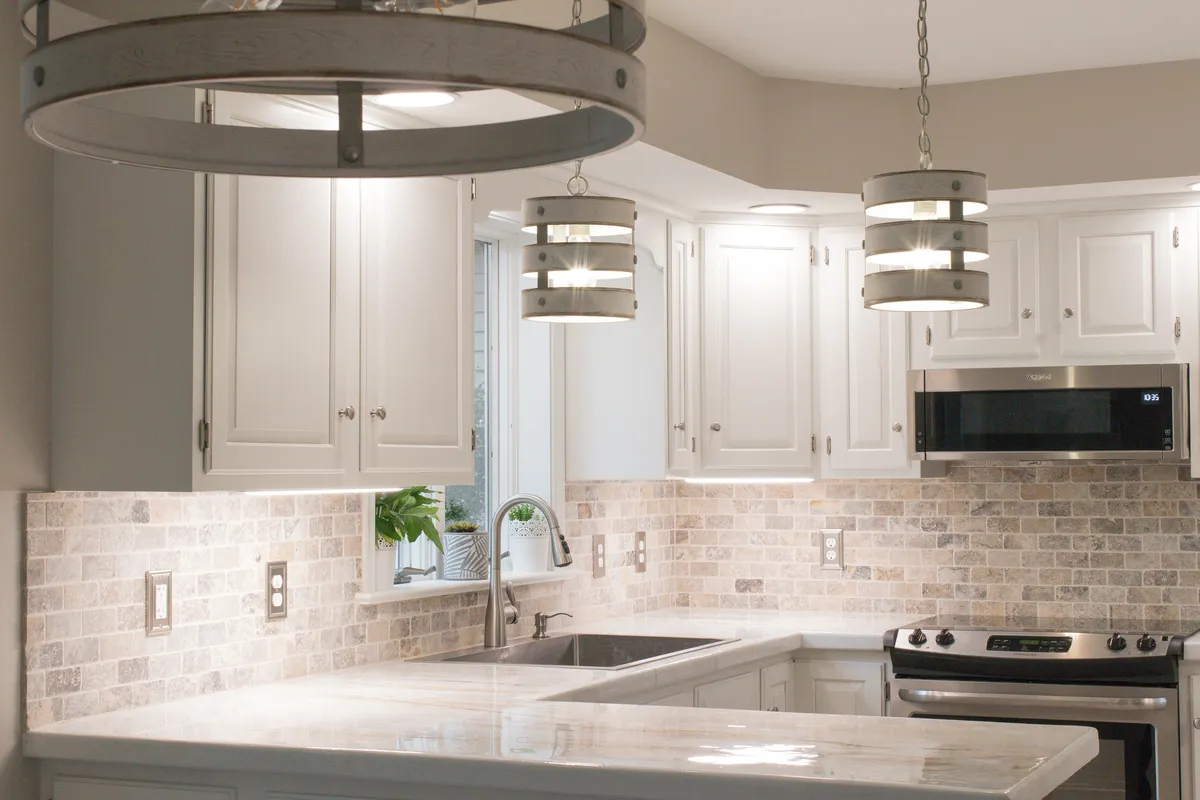
If you have been looking at your kitchen cabinets and thinking they need a change, cabinet painting is one of the most practical ways to get there. You are not tearing out boxes, not replacing plumbing, not living without a kitchen for weeks. But there are real steps involved, and knowing what to expect ahead of time makes the whole experience a lot less stressful. At Webster Kitchen and Bath, I walk every homeowner through the process before we ever pick up a brush, because an informed homeowner is a happy homeowner.
This post covers the full cabinet painting process from the initial consultation through the final walk-through, including what you need to do to get ready, how long it realistically takes, and how to make sure the results last. If you are in Wyomissing, Shillington, West Lawn, Blandon, or anywhere else in Berks County, this is written for you.
How the Cabinet Painting Process Works from Start to Finish
Cabinet painting is not just painting. That is the most important thing I tell homeowners upfront. The prep work is what gives a finish something to bond to, and it is the single biggest thing that decides how long that finish keeps looking right. Here is how we handle it at Webster Kitchen and Bath:
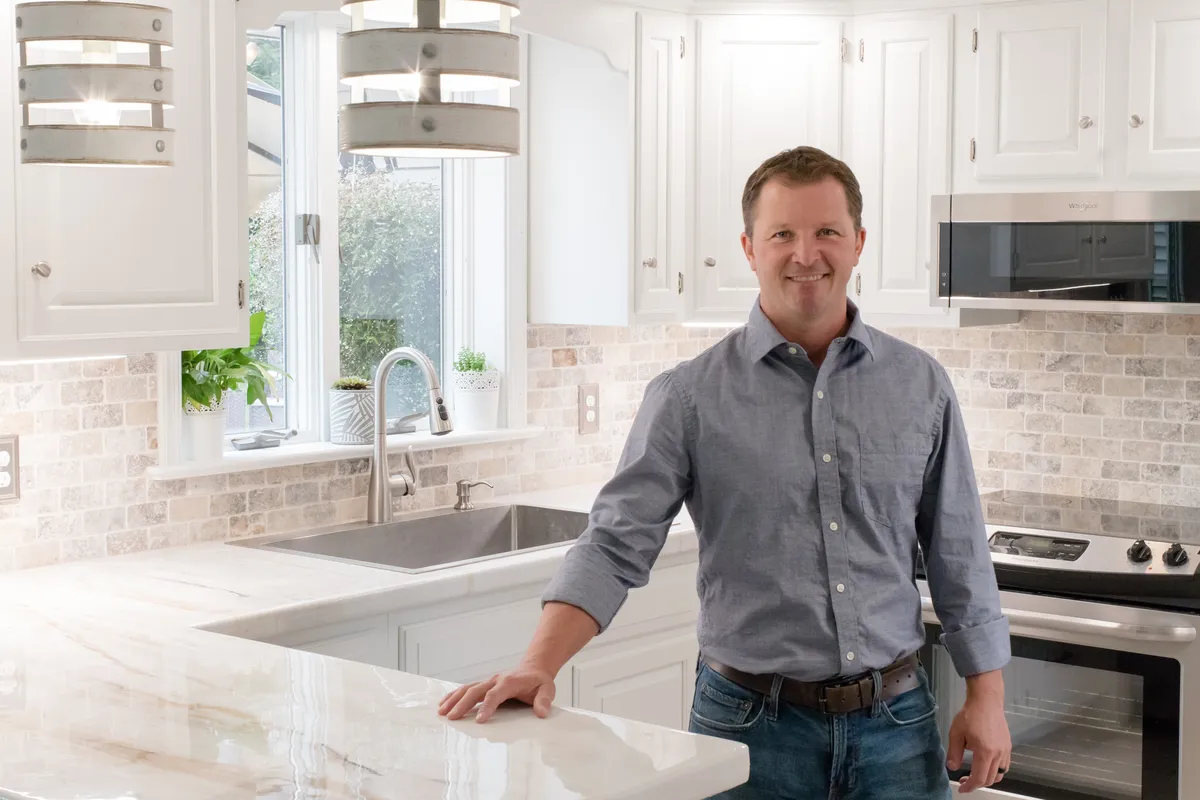
Step 1: In-Home Consultation and Assessment
Before anything else, I come out to the home and look at your cabinets in person. I check the existing finish, the material of the doors, whether the boxes are in good shape, and what kind of prep the surfaces will need. This is also where we talk about color options and sheen levels. No charge for this - it is just a conversation so we both know what we are getting into.
Step 2: Prep Day
On the first day of the job, all cabinet doors and drawer fronts are removed and tagged so they go back exactly where they came from. Hardware comes off. The kitchen gets protected with drop cloths and masking. Then the real prep begins: cleaning the surfaces to remove grease and residue, sanding to give the finish something to grab onto, and filling any dents or dings before priming. If there is old paint or a thick stain that needs to be addressed, that adds time - and I will tell you about it at the consultation, not partway through the job.
Step 3: Priming
Primer is not optional. A quality bonding primer is what makes the topcoat stick properly and prevents tannin bleed on wood species like oak or maple. We prime the cabinet boxes in place and the doors off-site or in a controlled area so both sides get full coverage. Skipping primer is how you end up with a finish that looks great for three months and then starts peeling at the edges.
Step 4: Finish Coats
We apply two finish coats, allowing proper dry time between coats. The finish we use is a professional-grade waterborne alkyd or cabinet-specific coating - the kind that levels out smooth and hardens to a durable shell. It is not the same thing as wall paint, and the difference shows up clearly over time. We sand lightly between coats to knock down any dust nibs and give you a finish that feels as good as it looks.
Step 5: Reinstallation and Walk-Through
Once the finish has cured enough to handle, doors go back on, hardware gets reinstalled, and I walk through the kitchen with you before I consider the job done. If something does not look right to me, I address it before that walk-through happens.
How Long Does Cabinet Painting Take in Berks County?
For a typical kitchen, plan on 5 to 7 days. A smaller kitchen with fewer doors on the shorter end, a larger kitchen with a lot of doors or extra prep needs on the longer end. The biggest variable is the condition of the existing finish. Cabinets that have never been painted and are in good shape move faster. Cabinets with multiple old paint layers, heavy grease buildup, or surface damage take more time because the prep takes more time.
I also factor in cure time. A painted finish can look dry in a few hours but may not be fully hard for several days. I give homeowners specific guidance on how to treat the cabinets in the days after we finish - things like how soon to hang things inside and when to start normal cleaning - because protecting the investment right after the job matters.
For homeowners in Sinking Spring, Exeter, Douglassville, and West Reading asking about summer timelines, the good news is that warmer temperatures and lower humidity days in Berks County actually help finishes cure faster. Extreme humidity days can slow dry times slightly, so we pay attention to conditions during the job.
Cabinet Painting vs. Cabinet Redooring - Which One Do You Need?
This comes up at a lot of consultations, and the honest answer is that it depends on what you are trying to solve. If your cabinets are solid, the doors are flat or a simple profile, and you just want a color change, cabinet painting is the right call. It is less expensive and gives you a great result when done properly.
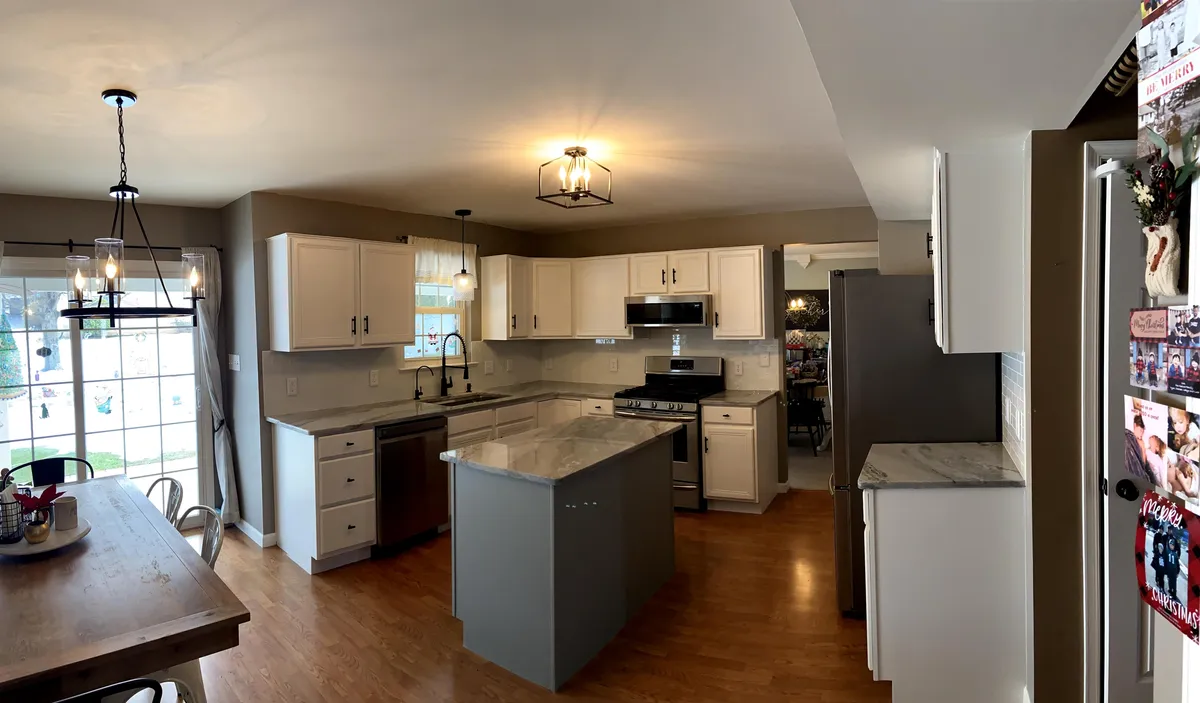
If you want to update the door style - say, going from a dated raised-panel door to a cleaner shaker profile - that is where cabinet redooring comes in. We replace the door and drawer fronts with new ones while keeping the existing boxes. You get a significantly fresher look without the cost of a full gut job. At Webster Kitchen and Bath, we do both, so at the consultation we can talk through which approach actually makes sense for your kitchen and your budget.
Some homeowners in Wyomissing and Shillington come in thinking they want one and end up going with the other once we look at the kitchen together. That conversation is free and there is no pressure either way.
Choosing Colors and Finishes for Painted Cabinets
Color is where the fun is, but it is also where some homeowners get stuck. A few things I have learned from doing this work since 2016:
- Soft whites and warm off-whites are classics for a reason - they work in almost every kitchen and photograph well if you ever sell the home.
- Muted greens, sage tones, and deep blues are having a real moment right now, especially on lower cabinets paired with white or cream uppers.
- Avoid pure bright white if your kitchen gets a lot of natural light - it can feel harsh and shows smudges faster than a warmer tone.
- Satin and semi-gloss finishes hold up better in kitchens than flat or eggshell. The slight sheen makes cleaning easier and resists grease better.
- Look at your countertop, flooring, and hardware together before you commit - I bring samples to the consultation for this reason.
If you are also planning to update countertops or backsplash alongside a cabinet painting project, it helps to sequence those decisions together. You can read more about how we approach those combinations in our kitchen and bath remodeling guide.
What You Need to Do Before We Arrive
Cabinet painting goes more smoothly when the homeowner has done a little prep on their end. Here is what I ask:
- Empty the cabinet interiors - not because we paint inside, but because doors come off and things shift.
- Clear the countertops as much as possible so we have room to work and protect surfaces.
- Make sure we have good access to an outlet for equipment.
- Let us know if there are any specific areas of concern - soft spots in a door, a hinge that has always been loose, a corner that has taken some abuse.
We handle everything else. The masking, the protection of your appliances and floors, the cleanup at the end of each day. You should be able to use your kitchen at least minimally during the project, though cooking greasy foods right next to fresh paint is not ideal - I will walk you through what is fine and what to avoid for those few days.
Frequently Asked Questions About Cabinet Painting in Berks County
How long does it take to have kitchen cabinets painted in Berks County?
Most cabinet painting projects take 5 to 7 days from start to finish, depending on the number of doors, the condition of the existing finish, and how much prep work is needed.
Do I need to empty my cabinets before painting begins?
Yes. All cabinet doors are removed and your cabinet boxes will be prepped and painted in place, so clearing out the contents before the crew arrives helps the process go smoothly.
How long do professionally painted cabinets last?
With proper surface prep and a quality finish, professionally painted cabinets can last the lifetime of the cabinets if they are cared for.
What is the difference between cabinet painting and cabinet redooring?
Cabinet painting keeps your existing doors and refreshes them with a new finish. Cabinet redooring replaces the door and drawer fronts entirely with new ones while keeping the cabinet boxes, giving you a fresh look and updated profiles without a full gut renovation.
Can you paint cabinets that have been previously painted or stained?
Yes, but the prep work is more involved. Previously painted or stained surfaces need to be cleaned, sanded, and properly primed so the new finish bonds correctly and lasts.
What colors and finishes work best for painted kitchen cabinets?
Soft whites, warm off-whites, and muted greens or blues are popular choices right now. Satin and semi-gloss finishes hold up well in kitchens because they are easier to clean and resist moisture and grease better than flat finishes.
Does Webster Kitchen and Bath serve Wyomissing, Shillington, and other Berks County towns?
Yes. Webster Kitchen and Bath serves homeowners throughout Berks County including Reading, Wyomissing, Sinking Spring, Shillington, West Lawn, Exeter, Blandon, Douglassville, and West Reading. Call (484) 513-2105 to schedule a free in-home consultation.